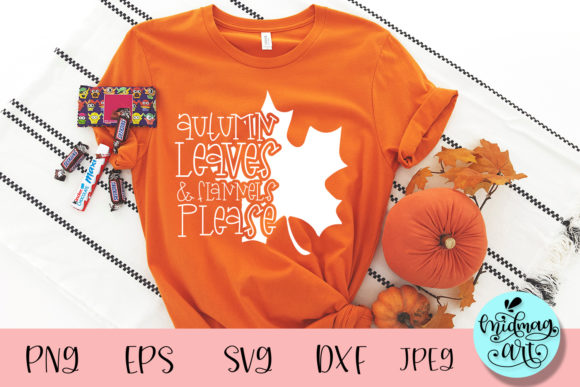
Autumn Leaves and Flannels Please
As a designer who’s stitched over 300 seasonal embroidery projects—from boutique baby onesies to holiday market sweatshirts—I opened Autumn Leaves and Flannels Please expecting warmth, not whimsy. What I found was a quiet, grounded fall motif: layered maple and oak leaves arranged in a loose crescent, flanked by two softly folded flannel squares—one with subtle gingham, the other with faint plaid lines. No pumpkins. No “fall y’all” slogans. Just texture, rhythm, and that unmistakable late-September hush. It feels like the first crisp morning you reach for your favorite flannel shirt—not as costume, but as comfort.
A Tote Bag That Feels Like Home
Last week, I prepped a batch of canvas tote bags for a local coffee roaster’s autumn launch—each one meant to hold beans, mugs, and small-batch maple syrup. I chose Autumn Leaves and Flannels Please for the lower left corner, 4.2" wide, centered just above the seam. Why? Because it doesn’t shout. It breathes. The leaf cluster has gentle negative space between elements, so even on dense canvas, the satin-stitched edges stayed clean and legible after stitching. The flannel squares weren’t overly detailed—no tiny crosshatches or micro-lines that would blur or vanish at this scale. They read as *fabric*, not illustration. Customers kept touching them. Not just looking—touching. That tactile resonance is rare in digital embroidery files, and it’s why this design works so well for handmade products meant to be held, used, and loved.
Where It Shines—and Where It Asks for Thought
Autumn Leaves and Flannels Please thrives on stable, medium-weight fabrics: cotton twill aprons, fleece-lined sweatshirts, linen tea towels, and structured pillow covers. Its balanced layout (neither too tall nor too wide) fits comfortably in standard 5x7" hoops—ideal for small shop production or Etsy sellers batching orders. On baby onesies? Yes—but only size 6M and up, and only with lightweight cutaway stabilizer. The leaf veins are delicate enough that stretchy knit fabric will distort them without proper hooping and stabilization.
It’s less ideal for curved surfaces like caps unless resized down to 3.5" max and re-digitized for cap tension. Tiny lettering isn’t part of this design (a relief), so no worries about legibility loss—but don’t try to shrink the flannel squares below 1.8". Those subtle texture lines fade fast. And while it reads beautifully on light heather grey or oatmeal, avoid dark navy or black without testing thread contrast first: some satin stitch areas can recede if your top thread lacks enough sheen or value pop.
Design Integrity Meets Real-World Trust
When customers see hand-finished embroidery, they’re subconsciously reading for care. Is the stitch density even? Do corners hold shape? Does the design feel intentional—not pasted on, but *placed*? Autumn Leaves and Flannels Please passes that silent test. The leaves overlap naturally, not mechanically. The flannel folds suggest drape, not flatness. That nuance builds trust: it tells buyers this wasn’t pulled from a generic clipart pack—it was considered.
For Etsy sellers and craft fair vendors, that perception directly lifts perceived value. A $32 flannel-lined tote with this embroidery sells as “curated autumn,” not “seasonal decor.” For wedding weekend gifts or new-parent bundles, it adds quiet sophistication—no cutesy clichés, just sincerity. And because it avoids trendy fonts or overused icons, it supports long-term brand consistency across product lines: same design on a kitchen towel, a baby blanket, and a matching apron set.
Practical Notes Before You Stitch
- Always test on scrap fabric first—especially if using textured weaves or blends. The leaf edges rely on clean satin stitch definition.
- Check thread color pairing carefully. A warm rust or deep olive reads richer than basic brown; avoid muddy greys that mute the flannel’s softness.
- Review stitch density in your embroidery software. If the file includes dense fill areas (common in leaf centers), adjust underlay or reduce density slightly for lightweight cottons.
- Confirm hoop size compatibility. While it fits standard 5x7", verify dimensions before hooping—some versions may run slightly taller depending on scaling.
- Inspect small details at actual stitch-out size. Zoom in on the flannel fold lines and vein tips. If they look pixelated or jagged in your viewer, the vector source may need smoothing before digitizing.
- Test mockups in both light and dark backgrounds. This design gains depth on heathers and creams—but loses presence on charcoal unless thread contrast is strong.
- Use appropriate stabilizer. Medium-weight cutaway for knits; tear-away for stable wovens; fusible for lightweight linens.
- Verify licensing terms before commercial use. Since this is a digital embroidery file sold as a Graphics asset, confirm whether resale of finished embroidered items is permitted—and whether redistribution of the SVG/DXF is restricted.
At its best, Autumn Leaves and Flannels Please doesn’t just decorate a surface—it anchors a feeling. It’s the kind of embroidery design that makes someone pause mid-scroll on Etsy, click “add to cart,” then text a friend: “You need this for your porch swing.” That’s not magic. It’s thoughtful composition, restrained detail, and seasonal authenticity—translated into stitchable form. Whether you’re stitching for joy, for clients, or for your small shop’s next bestseller, this one earns its place in your T-Shirt Designs folder—not as filler, but as foundation.