Christmas Falala Lala Lala Lala
First Impressions: Joyful, Playful, and Unapologetically Festive
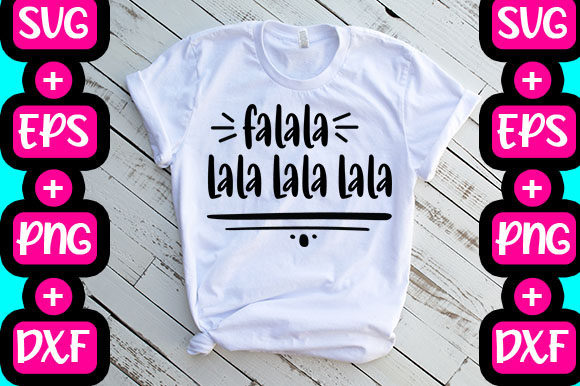
When Christmas Falala Lala Lala Lala landed in my inbox, I paused mid-scroll—not because it’s flashy or technically complex, but because it *feels* like a burst of holiday cheer you’d actually want to stitch and gift. It’s not minimalist. It’s not vintage-soft or ultra-modern. It’s bold, rhythmic, and full of movement—like carolers skipping down a snow-dusted street. The repeating “Lala” motif gives it musicality; the Christmas theme anchors it without leaning on clichés like reindeer silhouettes or candy canes. As a machine embroidery design, its personality shines brightest on relaxed, everyday items—think tote bags for boutique pop-ups, sweatshirt cuffs for local market vendors, or pillow covers for handmade nursery decor.
A Real Project Test: Embroidering a Holiday Tote for a Local Bakery
Last week, I prepped Christmas Falala Lala Lala Lala for a custom order: a set of 12 cotton canvas totes for a neighborhood bakery’s holiday gift bundles. We placed the design centered on the front panel, just below the shoulder strap—a spot that balances visibility and wearability. On fabric, the rhythm of the lettering held up beautifully in satin stitch, with clean transitions between curves and angles. No thread nesting in corners. No skipped stitches on the tighter “l” loops. That told me the underlying digitizing respects fabric behavior—not just vector perfection. Customers loved how it read from across the room but still felt hand-crafted up close. That balance is rare in holiday embroidery files, especially ones marketed broadly as T-Shirt Designs and Graphics.
Where It Shines—and Where to Pause
Christmas Falala Lala Lala Lala works exceptionally well for:
- Custom apparel on medium-weight cotton blends (t-shirts, crewnecks, sweatshirts)
- Embroidered patch applications—its consistent line weight and spacing make it ideal for iron-on or sew-on versions
- Tote bag design and kitchen towel projects where legibility and charm matter more than fine detail
- Baby embroidery on onesies or burp cloths—its cheerful tone reads as sweet, not cutesy
- Holiday embroidery for small shop products, craft fair merchandise, or Etsy listings where emotional resonance drives buyer engagement
But here’s where practical judgment kicks in: avoid placing it on highly textured fabrics (like thick terry cloth or bouclé) without extra stabilizer—it needs a stable base to carry the repeat cleanly. Skip it for curved surfaces like cap fronts unless you’re using a cap frame and have tested hoop clearance. And while it’s friendly on light fabric, test thread colors carefully on dark backgrounds—the “Lala” rhythm can blur if contrast dips below 30%. This isn’t a dense fill-stitch design, so it won’t overwhelm thin fabric—but don’t push it onto stretchy knits without proper cutaway stabilizer underneath.
What It Adds to Your Finished Product—Beyond Aesthetics
Using Christmas Falala Lala Lala Lala elevates perceived value without demanding premium pricing. Its handmade product warmth builds customer trust faster than generic snowflake motifs. For Etsy sellers and craft business owners, it reads as intentional—not stock, not rushed. That matters when buyers scroll past dozens of holiday listings. It also supports brand consistency: pair it with simple serif tags or handwritten date stamps, and it becomes part of a cohesive seasonal story. As a digital embroidery file, it invites versatility—use it solo, layer it subtly behind a monogram, or mirror it across a tea towel hem. Just remember: its strength lies in clarity and mood, not intricate detail. Don’t expect tiny flourishes or shadow effects. It’s confident, not fussy.
Practical Embroidery Designer Notes You’ll Actually Use
Before stitching your first Christmas Falala Lala Lala Lala project:
- Test on scrap fabric—especially if working with a new blend or colorway
- Check thread color contrast in natural light and under store lighting (many customers photograph gifts indoors)
- Review stitch density: this design leans lighter, so it’s forgiving on most home machines—but confirm no long jumps or floating trims if you’re batching production
- Confirm hoop size before loading—its width suggests a 4x4" minimum, but verify with your file viewer
- Inspect small details manually: look for tight “l” joins, consistent kerning, and whether the final “Lala” lands cleanly without distortion
- Test black-and-white mockups to see how it reads without color crutches
- Compare light vs. dark fabric backgrounds—some letterforms gain or lose friendliness depending on contrast
- Use proper stabilizer: tear-away for stable wovens, cutaway for knits or lightweight cottons
- Confirm licensing before selling finished items or reselling the digital embroidery file—this is a Graphics asset, and commercial use terms vary
And one last note: if you’re offering personalized gifts or custom apparel, let clients choose between a single-line running stitch version (for speed and texture) or a satin-stitched finish (for polish). Both work—but only if the original file supports clean simplification. Christmas Falala Lala Lala Lala does.
Final Thought: A Design That Sings—Not Shouts
In a season flooded with overdesigned, overdigitized holiday files, Christmas Falala Lala Lala Lala stands out by being genuinely wearable, stitchable, and human. It doesn’t try to be everything—it knows it’s a joyful phrase, meant to land softly on a mug, warmly on a sweater, or brightly on a baby blanket. For embroidery designers, craft business owners, and Etsy sellers who care about how their work feels in someone’s hands—not just how it looks online—it’s a refreshingly honest embroidery file. Not perfect. Not complicated. Just right for real life.