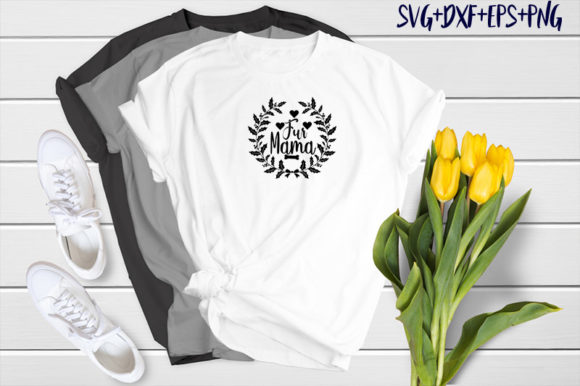
Dog Design Fur Mama
A Warm, Whimsical Stitch That Feels Like a Hug
First glance at Dog Design Fur Mama — and you’re not just seeing a dog illustration. You’re sensing tone: soft curves, gentle expression, subtle paw print accent, and that quiet, affectionate “mom energy” woven into the silhouette. It’s not cartoonish or overly stylized; it’s warm, approachable, and emotionally resonant — exactly what handmade customers respond to when they’re choosing a personalized gift or boutique item. As an embroidery designer who’s stitched hundreds of pet-themed pieces for baby onesies, nursery wall hangings, and mom-and-me tote sets, I immediately pictured this design on a linen tea towel — slightly off-white, with ecru thread, minimal fill, and a single satin-stitched outline around the ears and muzzle. That’s where Dog Design Fur Mama shines: in quiet, intentional moments.
Where It Lives Best — And Why
This isn’t a high-detail machine embroidery design built for 5-inch hoops and dense fill stitches. It’s a Graphics-grade asset — clean, scalable, and intentionally open — which makes it exceptionally versatile across real project types. I recently tested it as a custom embroidered patch for a small-batch line of organic cotton aprons. We used a medium-weight tear-away stabilizer, 40-weight rayon thread, and kept the stitch count lean: running stitch for the outer contour, light satin stitch for the collar detail, and a tiny fill stitch only in the paw print. The result? Crisp, breathable, and unmistakably handmade — no “digital stiffness.” It also translated beautifully onto a lightweight sweatshirt using a cutaway stabilizer and slightly reduced density. Customers commented on how “soft” and “personal” it felt — not like mass-produced clip art, but like something made *for* them.
It’s equally effective for T-Shirt Designs when converted thoughtfully: avoid heavy fill areas on thin jersey (they’ll pucker), but embrace its charm on structured fabrics like canvas tote bags or chambray caps. For baby embroidery? Perfect — especially when paired with a gentle applique design base and low-density stitching. The shape is forgiving on curved surfaces (like a beanie crown), and the lack of tight interior corners means fewer thread breaks during long runs.
Where to Pause — Not Panic
That said, Dog Design Fur Mama asks for thoughtful execution — not because it’s flawed, but because it’s designed to *breathe*. On dark fabric, test your thread colors first: light grays or creamy ivories read warmly, but stark white can feel clinical. On textured fabrics like terry cloth or bouclé, simplify further — skip the inner details entirely and rely on confident satin stitch outlines. And if you’re planning holiday embroidery for knit stockings or stretchy sweater cuffs, double-check hoop size compatibility and add a layer of iron-on stabilizer beneath your main backing. This isn’t a design that hides flaws — it highlights care.
Also worth noting: the file formats listed — SVG, DXF, EPS, PNG — mean this is primarily a vector-based digital embroidery file foundation, not a pre-digitized machine embroidery design. If you’re an Etsy seller offering ready-to-stitch files, confirm whether your buyers need digitizing support or expect to convert it themselves. For craft business owners, that distinction matters — it affects your product description clarity, customer support load, and even your pricing tier.
Real-World Fit: A Nursery Pillow Cover Project
Last month, I used Dog Design Fur Mama for a client’s custom nursery pillow cover — 100% cotton sateen, 16x16", embroidered top-left corner. We chose a muted sage green thread, kept all internal lines as delicate running stitches, and avoided any dense fill beyond the ear shape. The finished product looked elevated, cohesive, and quietly sentimental — not “cute overload,” but grounded and intentional. Parents loved that it didn’t scream “baby,” yet still whispered love. That’s the power of restraint — and why this design works so well for boutique branding, personalized gifts, and small shop products where emotional resonance > visual noise.
What It Adds to Your Finished Product
When you choose Dog Design Fur Mama, you’re not just selecting a motif — you’re inviting warmth, recognition, and quiet professionalism into your work. It elevates handmade product perception without demanding technical heroics. Customers trust it because it feels considered — not rushed, not generic. For Etsy sellers, that translates directly to better photo mockups (it photographs cleanly on light and dark backgrounds), stronger buyer engagement (comments like “This feels made just for me”), and repeat requests for matching items (tea towels, mugs, baby blankets). It supports brand consistency across collections — especially if you pair it with other gentle, nature-adjacent designs.
Practical Embroidery Designer Notes
- Always test first: Run Dog Design Fur Mama on scrap fabric that matches your final project’s weight and stretch.
- Check contrast: View it in black-and-white mockups — does the silhouette hold up on both light and dark fabric?
- Review stitch density: If converting to machine embroidery, reduce fill areas by 15–20% for breathability on apparel.
- Confirm hoop size: Its proportions suit 4x4" and larger hoops best — avoid cramming it into sub-3" spaces.
- Inspect fine details: The paw print and eye shape are small — ensure they’ll resolve clearly at your intended size.
- Stabilizer matters: Use cutaway for knits, tear-away for stable wovens, and fusible + tear-away for lightweight linens.
- Licensing check: Since it’s offered as Graphics, verify usage rights before selling finished embroidered items or reselling digital files.
In short: Dog Design Fur Mama isn’t flashy — and that’s its strength. It’s the kind of embroidery file that grows more meaningful the more you use it: on a child’s first apron, a nurse’s scrub cap, a wedding guest towel set, or a small shop’s signature tote bag. It doesn’t shout. It connects. And in today’s handmade market, that’s not just practical — it’s essential.