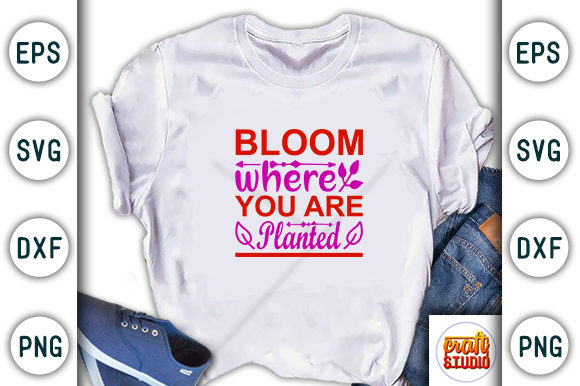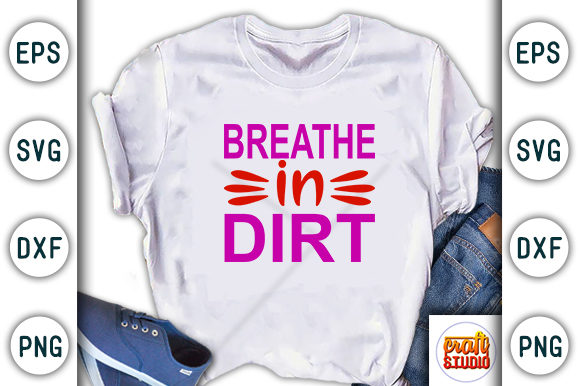
Garden SVG Design, Breathe in Dirt
First Impressions: Earthy, Honest, and Unexpectedly Warm
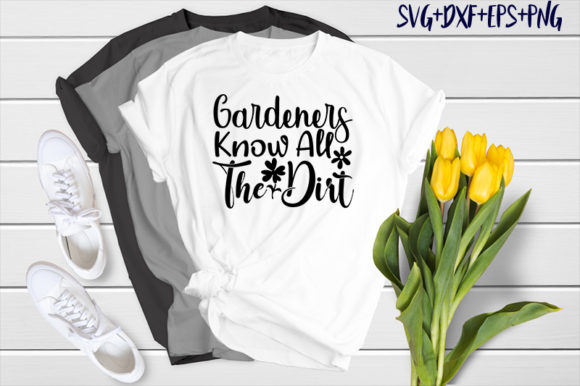
When I opened Garden SVG Design, Breathe in Dirt, I didn’t expect to pause. But there it was — not a fussy floral monogram or a cartoonish shovel, but clean, grounded lettering with subtle botanical accents: a single sprig curling beneath the “t” in “Dirt,” soft curves in the “B” and “r,” and intentional negative space that breathes like garden soil after rain. It’s graphic, yes — but not cold. It feels like something you’d stitch on a linen apron worn by someone who knows compost from clay, not just a trend. As a designer who evaluates hundreds of embroidery files yearly, I immediately thought: this isn’t just a T-Shirt Designs asset. It’s a mood anchor — one that leans into authenticity instead of polish.
A Real Project Test: Embroidering a Linen Tote for a Local Plant Shop
Last week, I used Garden SVG Design, Breathe in Dirt on a natural linen tote bag for a small-batch plant shop owner. We chose medium-weight linen with light texture — ideal for showing off clean satin stitch outlines and gentle fill areas. The design scaled beautifully at 4.2 inches wide (hoop size: 5x7), and the letterforms held crispness without overloading the fabric. Customers noticed it right away — not because it shouted, but because it felt *true*. One buyer said, “I bought this because it made me smile — like my hands are still dusty from repotting.” That’s the power of thoughtful design: it turns a simple embroidered patch into a quiet brand moment.
Where This Design Shines — and Where It Needs Care
Garden SVG Design, Breathe in Dirt works exceptionally well for:
- Custom apparel — especially sweatshirt embroidery and relaxed-fit tees where texture and tone matter more than flash;
- Handmade product branding — think tea towels, pillow covers, and nursery decor where “slow living” aesthetics resonate;
- Personalized gifts — baby embroidery on organic cotton onesies (keep sizing under 3.5 inches), holiday embroidery on canvas market bags, or wedding gifts like embroidered kitchen towels;
- Small shop product differentiation — it avoids cliché while still feeling accessible, which builds trust with conscious shoppers.
But be mindful: the lowercase “i” dot and fine stem of the botanical accent are delicate. On stretchy fabric or thin knits, those details can blur without proper stabilizer. And on dark fabric, avoid light thread unless you’re using underlay or topping — the design relies on contrast to land its quiet charm. Curved surfaces like caps? Scale down slightly and test placement — the flow of the phrase assumes a flat, breathable surface.
Design Assets That Support Real Workflow
The ZIP file delivers what matters: EPS, SVG, PNG, and DXF files. That means flexibility — whether you’re prepping a machine embroidery design in Wilcom, laying out a printable mockup for your Etsy listing, or adapting the graphic for a heat-transfer vinyl cut. As an embroidery designer, I appreciate that the vector files retain smooth curves and consistent stroke weight — no jagged edges to fix before digitizing. The PNG is crisp at 300 DPI, perfect for social previews or digital embroidery file listings. No fluff, no redundant formats — just clean, usable design assets.
Stitching Clarity Meets Customer Trust
Here’s what I’ve learned across 12 years of commercial embroidery: customers don’t buy stitches — they buy feeling. Garden SVG Design, Breathe in Dirt supports that. Its balanced letter spacing and moderate stroke weight prevent dense stitch areas that pucker or overwhelm lightweight fabrics. There’s no excessive satin stitch trapping — just smart, breathable fill stitch where needed. That translates directly to fewer reworks, cleaner finished product presentation, and higher perceived value. For Etsy sellers and craft fair vendors, that’s professionalism you can’t fake.
Practical Designer Notes Before You Stitch
- Test first — run it on scrap fabric matching your final project’s weight and texture;
- Check thread colors — earth tones (olive, charcoal, oat) pop best, but try black-on-cream and navy-on-linen to see how the phrase reads;
- Review stitch density — if your digitizer added extra underlay or pull compensation, simplify where possible;
- Confirm hoop size — the layout fits comfortably in a 5x7, but verify before hooping a curved garment;
- Inspect small details — zoom in on the “i” dot and botanical stem in your embroidery software;
- Mock it up in black and white — does the phrase retain legibility without color cues?
- Compare light vs. dark backgrounds — some fonts fade on busy prints; this one holds up, but test anyway;
- Use appropriate stabilizer — medium cutaway for knits, tear-away for stable wovens like linen or canvas;
- Verify licensing — since this is a Graphics file intended for commercial use, confirm terms before selling finished embroidered items or reselling digital versions.
Final Thought: A Design That Grows With You
Garden SVG Design, Breathe in Dirt isn’t flashy — and that’s its strength. It’s the kind of embroidery file that feels at home on a farmer’s market apron, a baby’s organic cotton bib, or a boutique’s limited-run sweatshirt drop. It doesn’t chase attention; it earns it through consistency, clarity, and quiet confidence. For creative entrepreneurs building a handmade product line or refining their craft business voice, this isn’t just another download. It’s a small, rooted choice — one that says, “We care about how things feel, not just how they look.” And in a world of noise, that kind of intention stitches itself right into the heart of your work.