I Am Black History Black Lives Matter
A Designer’s First Look: Bold, Intentional, and Ready for Meaningful Stitching
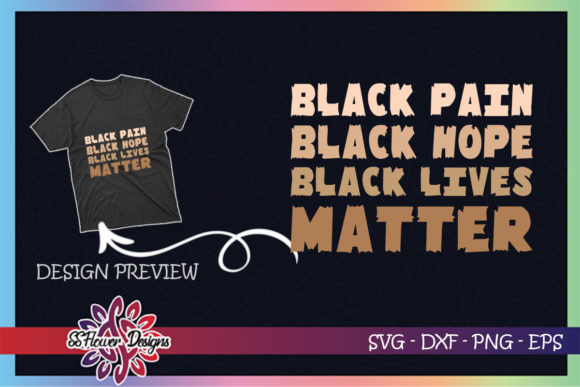
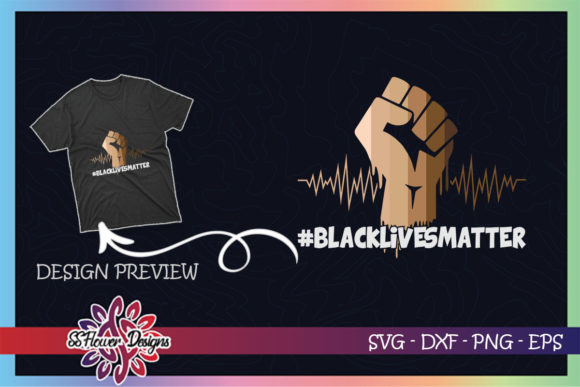
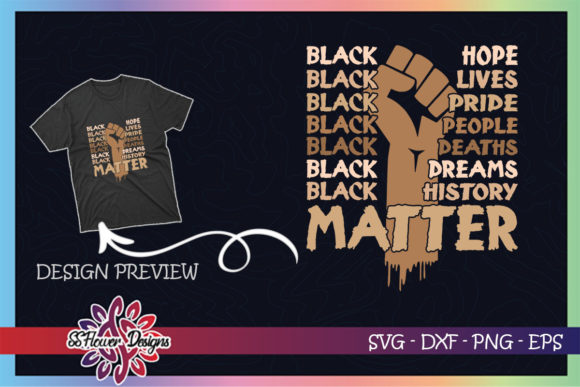
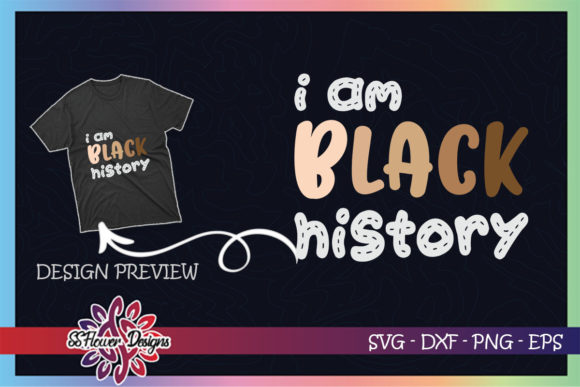
When I opened I Am Black History Black Lives Matter for the first time, what struck me wasn’t just the message—but how cleanly it carried weight. The layout is centered, balanced, and uncluttered: strong uppercase lettering with subtle spacing that breathes without sacrificing impact. There’s no decorative flourish competing with the words—just clarity, dignity, and visual gravity. As a designer who regularly selects embroidery files for client projects and small-batch merchandise, I immediately pictured this stitched on a heavyweight organic cotton tote bag for a local community center fundraiser. It wouldn’t shout; it would resonate.
Where This Design Truly Shines in Real Embroidery Projects
I Am Black History Black Lives Matter works exceptionally well for custom apparel where message and craftsmanship align—think sweatshirt embroidery for youth mentorship programs, embroidered patches for school clubs, or pillow covers for Black History Month displays in libraries and classrooms. Its clean, medium-weight letterforms translate reliably into satin stitch and fill stitch without collapsing or bleeding. On a midweight terry cloth tea towel? Crisp. On a structured denim apron? Confident. On a baby onesie (using soft, low-density fill stitch and tear-away stabilizer)? Thoughtful and tender—especially when paired with muted thread colors like deep charcoal or warm cocoa instead of stark black-on-black.
This isn’t a fussy design—it’s built for purpose. That makes it ideal for Etsy sellers offering personalized gifts, craft fair vendors curating boutique branding, or small shop owners developing seasonal collections around awareness, education, and pride. As a graphics file meant for T-Shirt Designs, it scales cleanly across sizes, but its real strength lies in how it behaves *after* stitching—not just as a digital file, but as a finished product people hold, wear, and keep.
Where to Proceed With Care
- Small hoop sizes: The full phrase needs breathing room. If you’re working with a 4” x 4” hoop, consider splitting “I Am Black History” and “Black Lives Matter” into two separate, balanced lines—or use just the core phrase “Black Lives Matter” for tighter applications like cap fronts or pocket accents.
- Textured or stretchy fabrics: On fleece, ribbed knit, or jersey, stabilize generously—cutaway + topping works best. Test stitch density first: too dense, and the text can pucker; too light, and legibility suffers on curved surfaces like hats.
- Dark or layered garments: While the design reads strongly on light fabric, verify contrast by testing thread colors on your actual base material. A matte navy thread on charcoal sweatshirt fabric may disappear unless you add a subtle outline stitch or switch to a slightly brighter tone.
- Tiny details & corners: There are no fine serifs or intricate flourishes here—so no risk of lost detail—but do inspect corner junctions (like the crossbar of “A” or inner curve of “B”) at 100% zoom in your embroidery software. Some auto-digitized versions of similar phrases can overfill tight angles, causing thread buildup.
How It Shapes Perception—Before and After Stitching
Customers don’t just buy a message—they buy intention, care, and credibility. When I Am Black History Black Lives Matter is embroidered cleanly—with appropriate stitch density, stabilizer, and thread choice—it elevates the handmade product from craft to statement. That builds trust. A well-executed version on a linen pillow cover feels curated, not generic. On a limited-run sweatshirt, it signals brand alignment—not trend-chasing. And for holiday embroidery or wedding gifts (think: “Black History”-embroidered quilt squares or keepsake blankets), it adds emotional resonance without sentimentality.
That said, presentation matters. A rushed or poorly stabilized version—especially on thin fabric or with inconsistent tension—undermines both the design and the cause it represents. So yes, this is more than a graphics file. It’s a responsibility, visually and ethically. Which is why thoughtful execution isn’t optional—it’s part of the design’s integrity.
Practical Notes Every Embroidery Designer Should Run Through
- Test I Am Black History Black Lives Matter on scrap fabric matching your final project’s weight, texture, and stretch.
- Check thread color contrast in natural light—and on both light and dark mockups—before committing to production.
- Review stitch density: aim for 8–12 stitches per mm in fill areas to balance durability and drape, especially for wearable items.
- Confirm hoop size compatibility. If digitizing from the SVG yourself, ensure kerning remains legible at your target size (e.g., 3.5” wide minimum for totes).
- Inspect small details at 200% zoom—especially where letters intersect or curves meet straight lines.
- Try black-and-white printable mockups first. Does the hierarchy hold? Does spacing feel generous, not cramped?
- Use proper stabilizer: cutaway for knits, tear-away for stable wovens, and fusible + topping for nap or pile fabrics.
- Verify licensing terms before selling finished products or reselling the digital embroidery file—this is critical for Etsy sellers and craft businesses.
Final Thought: A Design That Earns Its Place
I Am Black History Black Lives Matter doesn’t need embellishment to land. Its power is in restraint, rhythm, and resonance. As a machine embroidery design, it performs best when treated with the same respect the message deserves—thoughtful planning, precise execution, and context-aware application. Whether you’re stitching a single personalized gift or scaling for small-batch commercial embroidery, this design rewards attention to detail. It belongs on pieces people cherish, display, and pass on—not because it’s trendy, but because it’s true.